Opss.. Javascript is disabled in your web browser
For full functionality of this site it is necessary to enable JavaScript. Here are the instructions how to enable JavaScript in your web browser.
Questions?
If you have any questions, please contact our webmaster.
Living in Malaysia For International Students
Malaysia is one of the most welcoming places in Asia to study. It is peaceful and stable, it is on friendly terms with countries all over the world, and it is an affordable place to live. The country has no active volcanoes, and strong earthquakes are rare.
This guide tells you what everyday life is like for an international student, from the weather and the food to money, transport and the cost of living. It also introduces Kuantan, the coastal city that Widad University College (WUC) calls home.
Language
You can get by in English from your first day. It is widely used in business, trade and education, so communicating will not be a problem when you come to study at Widad University College.
Malay (Bahasa Melayu) is the national language, and Kuantan is a multicultural city where many languages and dialects are spoken. The local dialect is unique: a blend of the Kelantan and Terengganu dialects.
Around Malaysia you will hear a rich mix of languages, including:
- English;
- Malay, in several dialects;
- Chinese dialects such as Mandarin, Cantonese, Hokkien, Hakka, Hainanese and Foochow;
- Indian languages such as Tamil, Telugu, Malayalam, Punjabi, Hindi and Bengali;
- other native languages.
If people around you are speaking their own language, do not be shy about asking for a translation. They will quickly switch to English for you.
A translation app helps in your first weeks. Google Translate works well with Malay: type or speak a sentence, or point your camera at a sign or a menu to read it in your own language. Download the Malay language pack while you are on Wi-Fi and the app also works without an internet connection. Microsoft Translator is a good alternative.
A few words of Malay are always appreciated:
- Selamat pagi: good morning;
- Apa khabar?: how are you?
- Terima kasih: thank you;
- Sama-sama: you are welcome;
- Maaf: sorry;
- Tolong: please;
- Berapa?: how much?
- Di mana?: where?
Time Zone
Malaysia is eight hours ahead of GMT (GMT/UTC +8). The time stays the same all year, with no daylight saving.
Climate
Malaysia is warm all year round, so you can leave your winter clothes at home.
- Temperatures average between 21°C and 33°C, and a cooler 15°C to 25°C in the highlands.
- Rainfall averages 2,000mm to 2,500mm a year.
- Humidity is around 80% throughout the year.
- The weather is mostly sunny throughout the year.
Weather in Kuantan
Kuantan is warm all year. The north-east monsoon, from November to March, brings the heaviest rain to the east coast, so keep an umbrella handy in those months.
Kuantan weather forecast
- Today15 Nov Thunderstormsall day 23–32°C
- Tomorrow16 Nov Thunderstormsall day 23–32°C
- Tuesday17 Nov Thunderstormsall day 23–32°C
- Wednesday18 Nov Thunderstormsall day 23–32°C
- Thursday19 Nov Thunderstormsall day 23–32°C
- Friday20 Nov Thunderstormsall day 23–32°C
- Saturday21 Nov Thunderstormsall day 23–32°C
Today in Kuantan: morning thunderstorms, afternoon thunderstorms, night thunderstorms.
Forecast by the Malaysian Meteorological Department (MET Malaysia), updated 15 Nov, 8:51 am.
What to Wear
- Pack light clothes for warm, humid weather. Linen, light cotton and cotton blends are the most comfortable.
- Sandals are fine for informal occasions.
- Bring covered leather shoes for more formal situations.
- For men, a lounge suit or a shirt with a jacket is right for formal occasions outside class.
- For women, modest dresses work well. You will also see traditional dress worn in everyday life, at work and after working hours.
Malaysian Culture
Malaysia is a country of many races, religions and cultures living side by side, and that is what makes it so interesting. Malaysians celebrate festivals from every tradition, including Aidilfitri, Aidiladha, Chinese New Year, Deepavali, Christmas and Gawai. People of all races join the celebrations, which strengthens the bond between them, and national and state public holidays are set aside for the festivals of every major community.
The same respect shows in everyday life. It is normal to see Malaysians in many styles of traditional dress at the office and on campus. All of them are modest, and all are welcome, even in professional circles.
Studying here lets you learn the customs of many communities and get to know lifestyles, beliefs and worldviews that may be very different from your own. That broader outlook is valuable for your personal growth and for your future career.
A few customs are worth knowing:
- Greet people politely, and show respect to elders and to people in authority.
- Take off your shoes before you enter someone's home.
- Dress modestly when you visit a mosque, a temple or a church.
- Avoid touching anyone's head or pointing with your index finger. Both are considered rude.
- Carry your student card with you.
Food
So many cultures mean an enormous variety of food, and eating is one of the great attractions of Malaysia and of Kuantan. Start with three favourites: nasi lemak (fragrant coconut rice), char kuey teow (stir-fried flat rice noodles) and roti canai (a crisp, flaky flatbread served with curry). Then keep exploring. Restaurants and stalls are everywhere, with fantastic food and friendly service.
Familiar names such as Pizza Hut, KFC and McDonald's are here too, and some restaurants are open 24 hours, so you will never go hungry. For Malaysians, food is part of the culture.
To eat like a local, head for the food stalls and hawker centres and order a teh tarik (frothy milk tea) or a kopi O (black coffee). Do not be surprised to see people eating with their hands, which is common here. Halal food is available everywhere.
For groceries, supermarkets stock the widest range, including imported products. Morning markets (pasar pagi) and night markets (pasar malam) sell fresh local produce and cooked food at lower prices, and they are an outing in themselves.
Money and Banking
Malaysia's banking and financial services sector is linked to the rest of the world and includes Islamic banking. There are usually banks and ATMs at major universities and colleges, where you can withdraw cash with a credit card or an ATM card on the PLUS or Cirrus network.
International credit and debit cards are widely accepted. Visa and Mastercard work at shopping malls, supermarkets, restaurants, hotels, petrol stations and online shops, and most card terminals take contactless payment. American Express and Diners Club are accepted in fewer places. Small shops, food stalls and markets often prefer cash or QR payment, so keep some ringgit with you. Your bank at home may charge a fee each time you pay or withdraw cash abroad, so check before you travel.
Paying by QR code is part of everyday life in Malaysia. Most shops, restaurants and food stalls display a DuitNow QR code, the national standard, which you scan with a banking app or an e-wallet. The most widely used e-wallet is Touch 'n Go eWallet, and foreigners can use it too: download the app, register with your mobile number, verify your account with your passport and add money from a bank account or a card. It also pays for buses, tolls, parking and online shopping. If you already use Alipay or WeChat Pay at home, both are accepted by many DuitNow QR merchants.
If your sponsor pays you an allowance or stipend, you can have it paid into your bank account at home, or open an account in Malaysia. Check with your sponsor first.
To open a bank account in Malaysia you will normally need your passport, your student pass and a letter from WUC confirming that you are a student. Requirements differ from bank to bank, so ask the International Centre before you go.
International banks in Malaysia include HSBC, Standard Chartered, UOB, OCBC, Al Rajhi Bank, Bank of China, ICBC, China Construction Bank, Bangkok Bank, MUFG, Mizuho, SMBC, Deutsche Bank, BNP Paribas, J.P. Morgan and Bank of America. Some of them serve mainly business customers, so check that a bank offers personal accounts before you visit. Malaysian banks such as Maybank, CIMB, Public Bank, RHB, Hong Leong Bank, AmBank and Bank Islam have the widest networks of branches and ATMs.
Mobile Phones and Internet
Getting connected is quick. Malaysia's main mobile networks are Maxis, CelcomDigi and U Mobile. Choose a prepaid SIM card, which you top up as you go, or a monthly contract, and bring your passport: every SIM card has to be registered. A prepaid plan with 10 to 30 GB of data costs roughly MYR 30 to MYR 60 a month.
WhatsApp is the messaging app nearly everyone in Malaysia uses, so install it before you arrive. It is also the cheapest way to call home.
Insurance and Hospitalisation
Medical insurance is compulsory for every international student in Malaysia, for the whole of your studies. It is arranged through WUC together with your student pass and renewed with it. Tell the International Centre the date you arrive, so that your cover starts from the day you enter the country.
The plans listed by Education Malaysia Global Services (EMGS) pay hospital and medical bills up to MYR 30,000 or MYR 50,000 for each illness or injury, depending on the plan, and cost roughly MYR 500 to MYR 960 a year. With some plans you pay a fixed amount towards each claim (the deductible) and the insurer pays the rest. Each plan has its own list of panel hospitals and clinics, so find out which ones are near you and keep your medical card with you.
Soon after you arrive you will also have a medical screening at a clinic approved by EMGS. It is part of the student pass process.
Kuantan is well served by hospitals. Sultan Ahmad Shah Medical Centre (SASMEC @IIUM) and KMI Kuantan Medical Centre are both in Bandar Indera Mahkota, the same township as WUC. Hospital Tengku Ampuan Afzan is the main government hospital, and KPJ Pahang Specialist Hospital is one of the private hospitals in the city. For everyday illnesses, private clinics and pharmacies such as Guardian and Watsons are easy to find.
Everything else you need to know about insurance and hospitalisation is explained to new students during orientation week.
Safety and Emergencies
Malaysia is generally a safe country, and the usual common sense applies: stay aware of your surroundings and avoid walking alone late at night.
You will be given contact numbers to use in an emergency. Call the person in charge and they will help you deal with the problem. For the police, an ambulance or the fire service anywhere in Malaysia, dial 999. Stay calm, give your exact location and describe what has happened. Once you are safe, let WUC know.
Working While You Study
The rules on work are strict. International students may work part-time for no more than 20 hours a week, and only during semester breaks or holidays of more than seven days. The work must be in a restaurant, a petrol station, a mini market or a hotel, and your student pass must be valid.
You need the approval of the Immigration Department of Malaysia before you start. The application is made through WUC, and you go to the Immigration Department together with a representative of the college. Some jobs are not allowed at all: you may not work as a cashier or, in a hotel, as a singer, masseur, musician or guest relations officer.
Never take unofficial work under any circumstances. It could lead to your student visa being revoked.
After you graduate with a bachelor's degree or higher, you may be able to stay in Malaysia for up to a year on a Graduate Pass. It is open to citizens of certain countries and has its own conditions.
Getting Around
Getting around Kuantan is simple and affordable. The city has a public bus network, a car is easy to book with the Grab app, and air-conditioned express buses are the cheapest way to travel to other parts of Malaysia.
Transport between WUC and the hostel is provided. Ask the Student Affairs Department for the schedule.
City Buses: BAS.MY Kuantan
BAS.MY Kuantan is the city's public bus service. It has 16 routes, most of them starting at Hentian Bandar, the bus terminal in the city centre, and they reach all parts of Kuantan and several nearby towns. Useful routes include:
- C32, between Hentian Bandar and Bandar Indera Mahkota, the township where WUC is;
- C33, between Hentian Bandar and Terminal Sentral Kuantan, by way of the IIUM campus;
- C20, to the beach at Teluk Chempedak;
- C100, a loop around the city centre;
- C10 to Gambang, C40 to Pekan, C50 to Sungai Lembing, and C60 then C64 to Cherating, for day trips.
Fares depend on distance: MYR 0.94 for the first two kilometres and about MYR 0.09 for each kilometre after that. Pay with cash, a debit or credit card, or DuitNow QR. The MYR 30 card for 30 days of unlimited travel and the free concession card are for Malaysian citizens only, so international students pay for each trip.
Buses run every 20 to 60 minutes on city routes and less often on rural ones. Before you travel, check the route maps and timetables on the BAS.MY Kuantan website or in the timetable on the BAS.MY Kuantan Facebook page. For the latest service updates, download the JustNaik app from Google Play or the App Store.
Grab and Taxis
Grab is the most widely used ride-hailing app in Malaysia, and it works in Kuantan. Enter where you want to go and the app shows the fare before you book. You can pay in cash, by card or with an e-wallet. It is good value when you share the ride with friends, and the same app delivers food. Ordinary taxis are available too.
Travelling Further
Express buses to Kuala Lumpur and other cities leave from Terminal Sentral Kuantan, which is in Bandar Indera Mahkota, close to the campus. Kuala Lumpur is about three hours away, and you can buy your ticket at the terminal or online. In Kuala Lumpur itself, the LRT, MRT and monorail trains are the easiest way to get around, and a Touch 'n Go card pays for all of them.
Cost of Living
Kuantan is an affordable city for students. Expect to spend around MYR 600 to MYR 1,000 a month on food, transport and personal needs. For course costs, see the tuition fees for international students.
| Expense | MYR | USD |
|---|---|---|
| Food and drinks | 400 – 600 | 98 – 147 |
| Local transport | 30 – 80 | 7 – 20 |
| Mobile phone and data | 30 – 60 | 7 – 15 |
| Laundry and toiletries | 40 – 80 | 10 – 20 |
| Books and stationery | 30 – 60 | 7 – 15 |
| Leisure and personal spending | 70 – 120 | 17 – 29 |
| Total | 600 – 1,000 | 147 – 245 |
| Item | MYR | USD |
|---|---|---|
| A meal at a food stall or cafeteria | 6 – 12 | 1.47 – 2.94 |
| A meal at a mid-range restaurant | 20 – 40 | 4.89 – 9.79 |
| A drink at a food stall | 2 – 4 | 0.49 – 0.98 |
| Drinking water, 1.5 litres | 2 – 3 | 0.49 – 0.73 |
| A loaf of bread | 3 – 5 | 0.73 – 1.22 |
| Rice, 1 kg | 3 – 6 | 0.73 – 1.47 |
| A dozen eggs | 6 – 9 | 1.47 – 2.20 |
| Milk, 1 litre | 6 – 9 | 1.47 – 2.20 |
| A city bus ride (BAS.MY) | from 0.94 | from 0.23 |
| A Grab ride in the city | 6 – 20 | 1.47 – 4.89 |
| A prepaid mobile plan, per month | 30 – 60 | 7 – 15 |
| A wash at a self-service laundry | 5 – 8 | 1.22 – 1.96 |
| A cinema ticket | 13 – 22 | 3.18 – 5.38 |
| An express bus to Kuala Lumpur | 30 – 45 | 7 – 11 |
US dollar amounts are approximate, converted at Bank Negara Malaysia's rate of 13 November 2026 (USD 1 = MYR 4.09).
These are typical prices, and your own spending will depend on your lifestyle. The figures do not include accommodation or course fees. Ask the International Centre about hostel charges, and see Education Malaysia's cost of living guide for the country as a whole.
Religion
Islam is the official religion of Malaysia, and the Malaysian Constitution guarantees everyone the freedom to practise their own faith, including Christianity, Buddhism, Hinduism and Sikhism. Mosques, temples and churches are all easy to reach in Kuantan.
Religious festivals such as Aidilfitri, Aidiladha, Chinese New Year, Deepavali and Christmas are public holidays, so everyone has the chance to celebrate with friends. Some shops close during the major festivals and the roads are busier, so plan and book your travel early.
Driving in Malaysia
You need a licence to drive a car or ride a motorbike in Malaysia. As in most Commonwealth countries, Malaysians drive on the left side of the road, and all cars are right-hand drive.
Some foreign driving licences and international driving licences can be used in Malaysia for up to three months. Ask the International Centre which rules apply to you.
If you would like a Malaysian licence, it is possible to convert the licence from your home country. The International Centre or the Road Transport Department of Malaysia can explain the procedure.
Cars are easy to rent from car rental companies. Car-sharing apps are another option: GoCar and SOCAR let you book a car by the hour or by the day and unlock it with your phone, and TREVO lets you rent a car directly from its owner. The cars on offer differ from city to city, so check each app for what is available near you, and have your driving licence and passport ready when you register.
Navigation apps such as Waze and Google Maps will guide you on the road.
Useful Apps
A few free apps make everyday life much easier. Install them when you arrive:
Grab
Rides and food delivery
Google Play App Store
Touch 'n Go eWallet
QR payments, tolls and parking
Google Play App Store
Google Translate
Signs, menus and conversations
Google Play App Store
Waze
Driving directions and live traffic
Google Play App Store
Google Maps
Maps and directions
Google Play App Store
JustNaik
BAS.MY Kuantan bus updates
Google Play App Store
WhatsApp
Messages and calls
Google Play App Store
Klook
Attraction tickets, tours and activities
Google Play App Store
EMGS Hub
Your student pass application
Google Play App Store
Shopee
Online shopping
Google Play App Store
Places to Visit in Malaysia
Weekends and semester breaks are your chance to explore. Malaysia has getaways for every taste and every budget.

Petronas Twin Towers
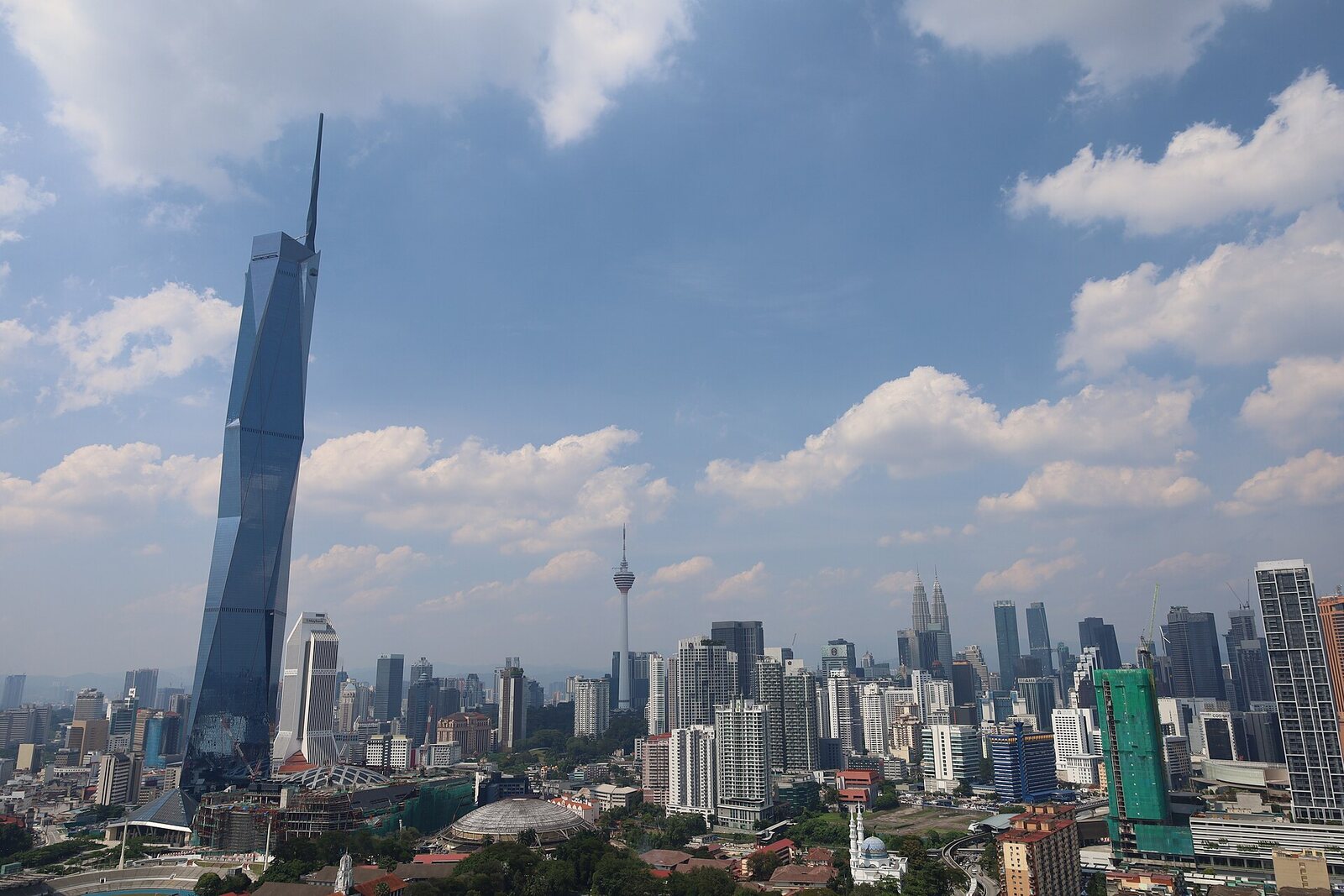
Merdeka 118

Malacca City

George Town, Penang
Nature is everywhere: beautiful beaches, islands, mountains and rainforests. Mount Kinabalu and Mount Tahan are two of the country's most popular peaks, and the islands of Langkawi and Redang are famous well beyond Malaysia. Beaches such as Teluk Chempedak and Port Dickson draw thousands of holidaymakers every year. For more places and things to do, visit Tourism Malaysia. To look for more interesting activities, and to book attraction tickets, tours and day trips, try Klook.

Perhentian Islands, Terengganu

Danum Valley, Sabah

Alor Setar, Kedah
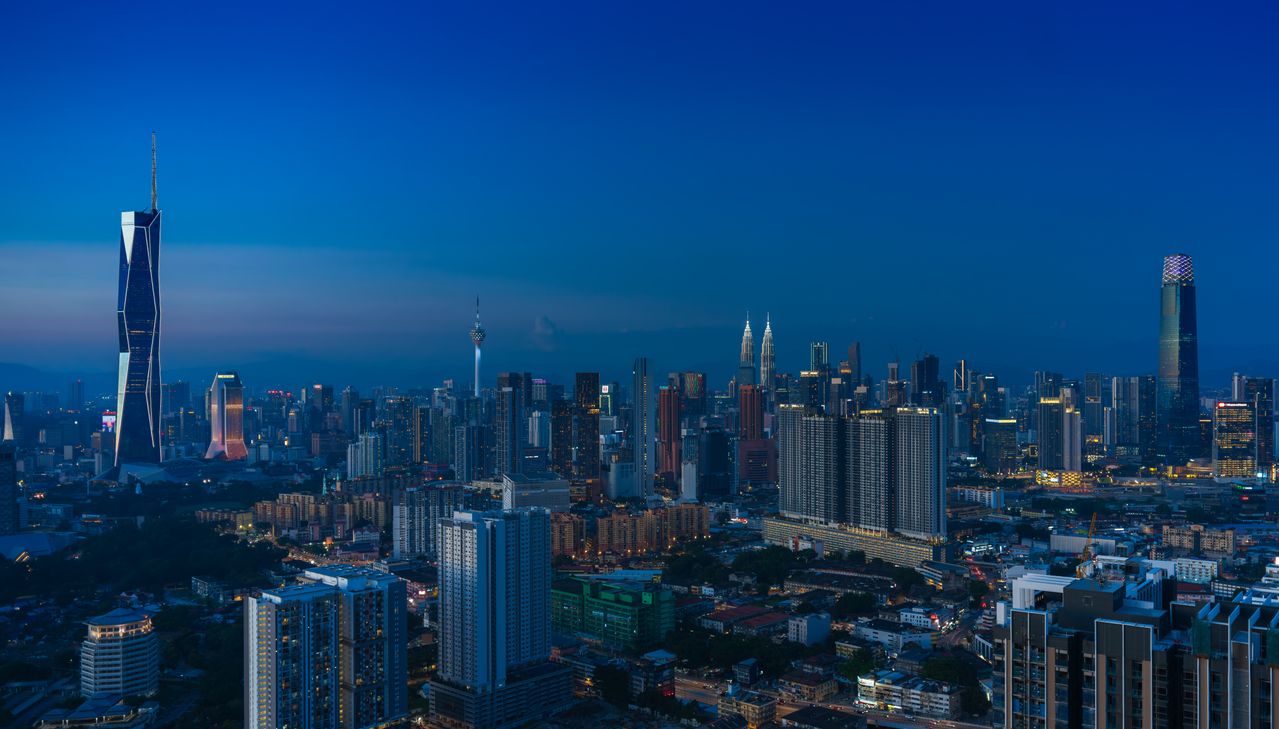
There is history to discover too, with historical sites to visit and many interesting artefacts in Malacca. Modern Malaysia has landmarks that are recognised around the world, among them the PETRONAS Twin Towers, Merdeka 118 (the second-tallest building in the world), Sepang International Circuit, Kuala Lumpur Tower and the Penang Bridge.

Tioman Island, Pahang

Cameron Highlands, Pahang

Mount Kinabalu, Sabah
In short, Malaysia is unique: many races, religions and cultures, a stable and peaceful environment, places of interest all over the country and achievements of a world-class standard.
Living in Kuantan
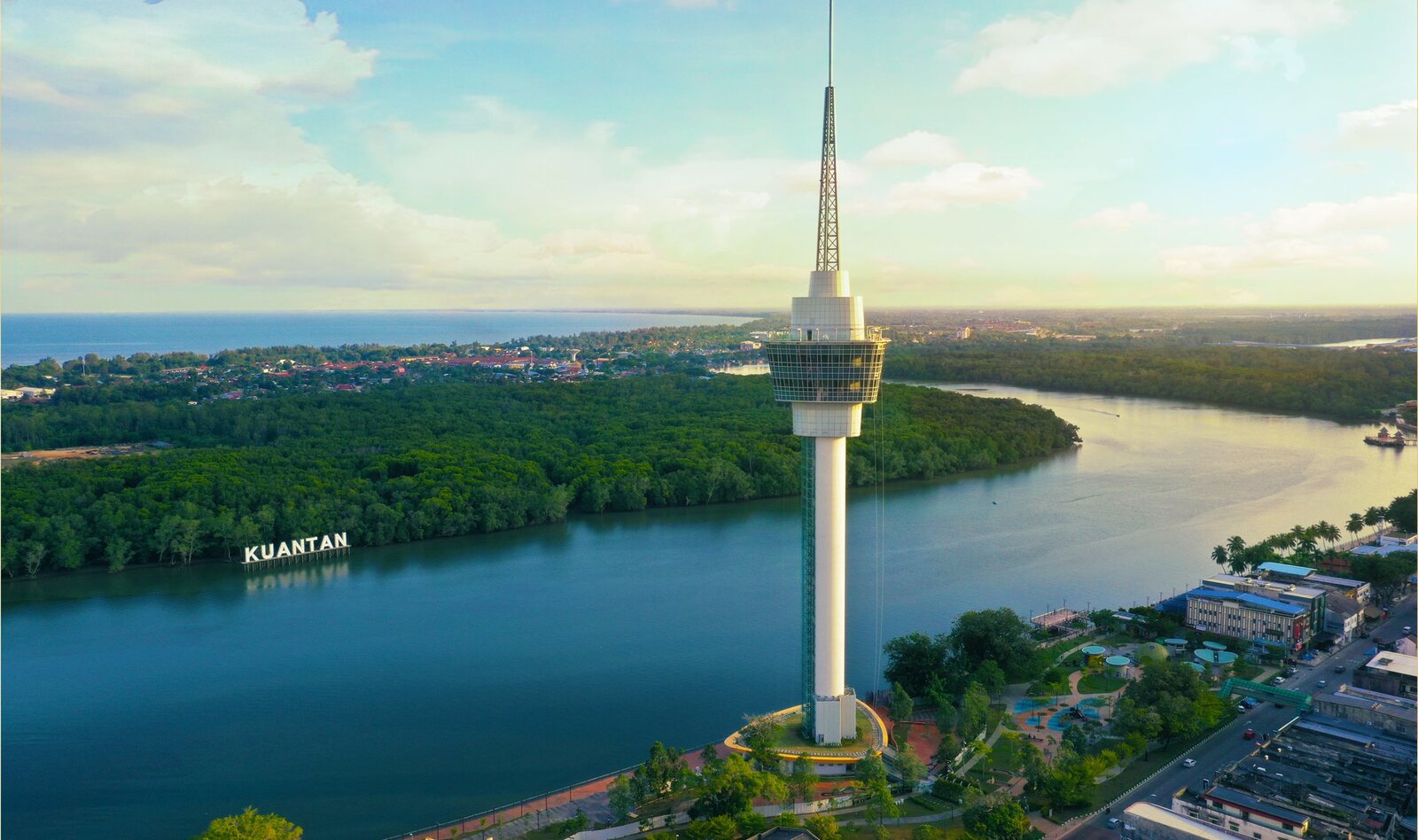
Kuantan is the capital of the state of Pahang Darul Makmur, on the east coast of Peninsular Malaysia. It is about 245km east of Kuala Lumpur, a three-hour drive along a four-lane highway. With miles and miles of sandy beaches, this resort city is the gateway to the East Coast states.
Kuantan has grown into a bustling modern city, yet it has kept its culture, traditions and values. That blend of modern and traditional is what makes it special.
There is plenty to see and do. Spend a day at the beaches of Teluk Chempedak, Batu Hitam, Sepat or Cherating, or visit the Pahang Museum to learn about the political and social history of the state.
You will also find recreational parks and waterfalls for a day outdoors, and a river cruise on the Kuantan River takes you past untouched mangrove swamp along the river bank.
Widad University College is in Bandar Indera Mahkota, Kuantan.
From city landmarks to hill retreats, these are some of the places to visit in Kuantan and across Pahang.

Menara Kuantan 188

Gambang Water Park

Bukit Panorama, Sungai Lembing

Teluk Chempedak

Chengal Hill Retreat, Janda Baik

Club Med Cherating Beach
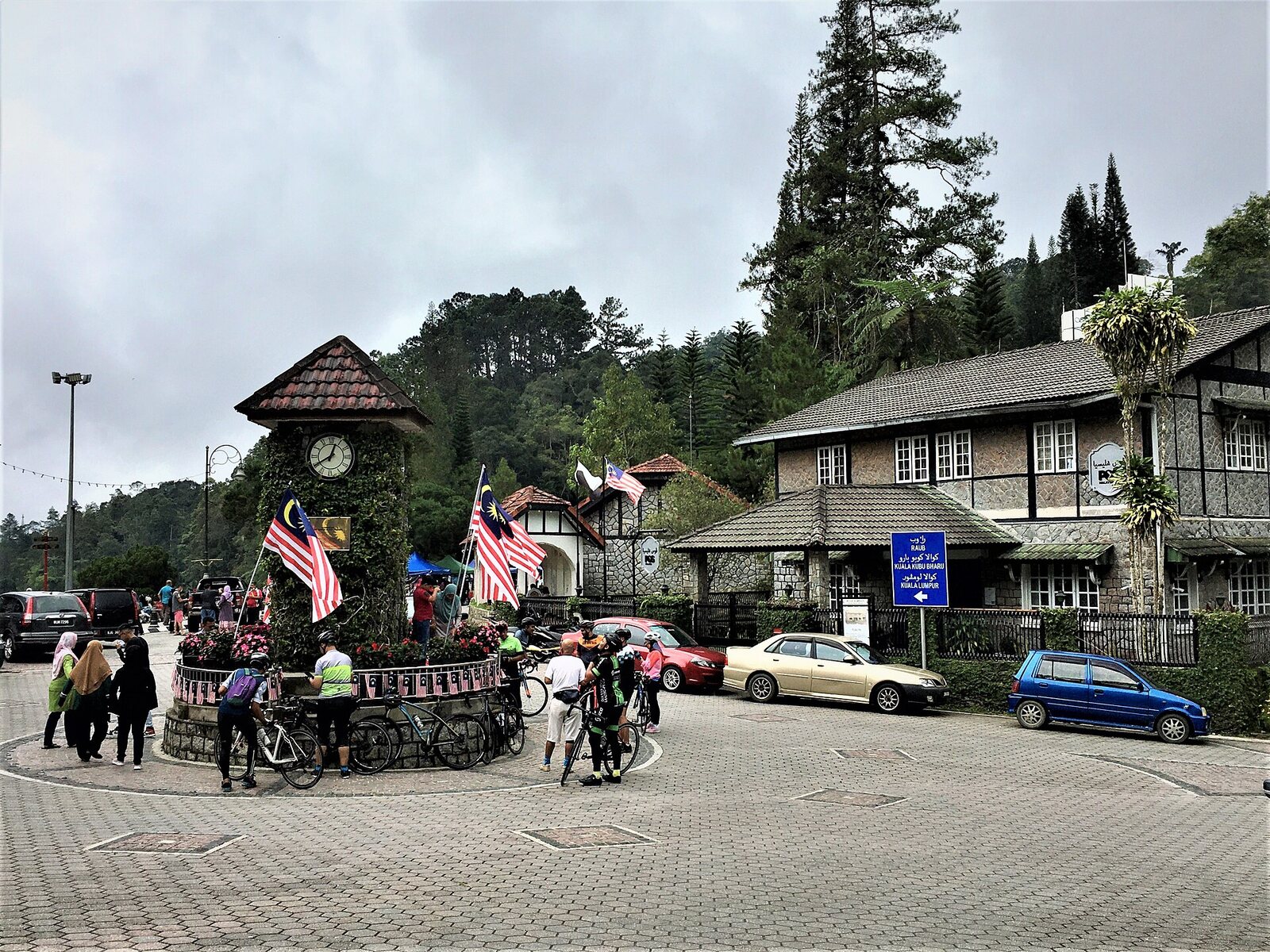
Fraser's Hill
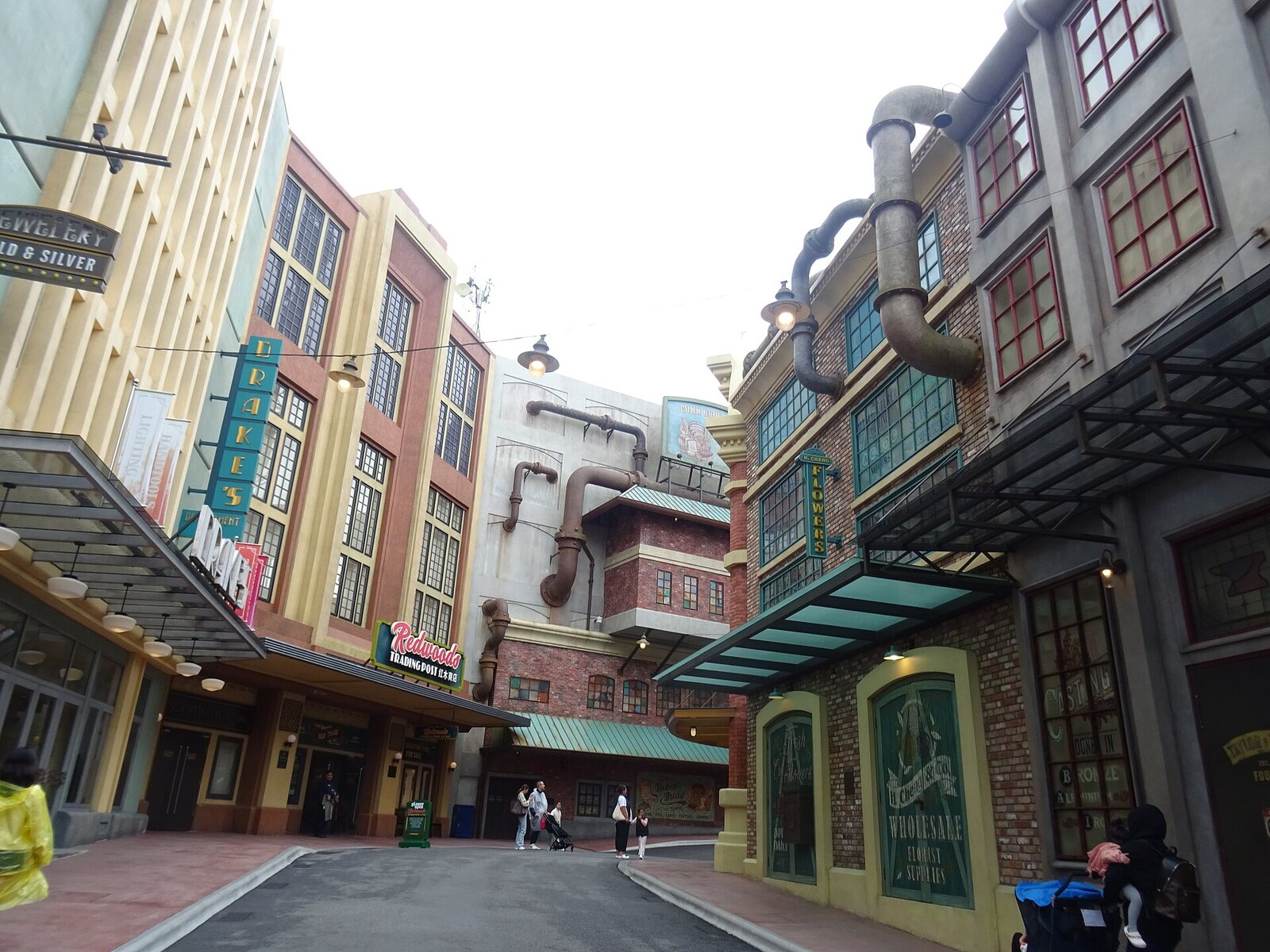
Resorts World Genting

Pulau Ular

Sultan Ahmad Shah State Mosque
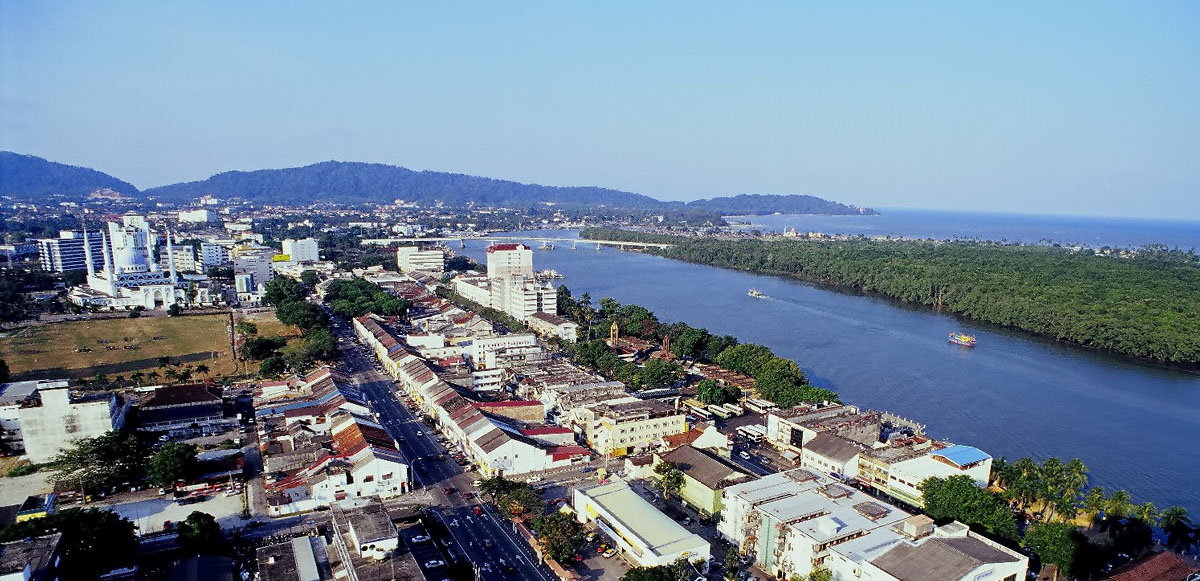
Kuantan River
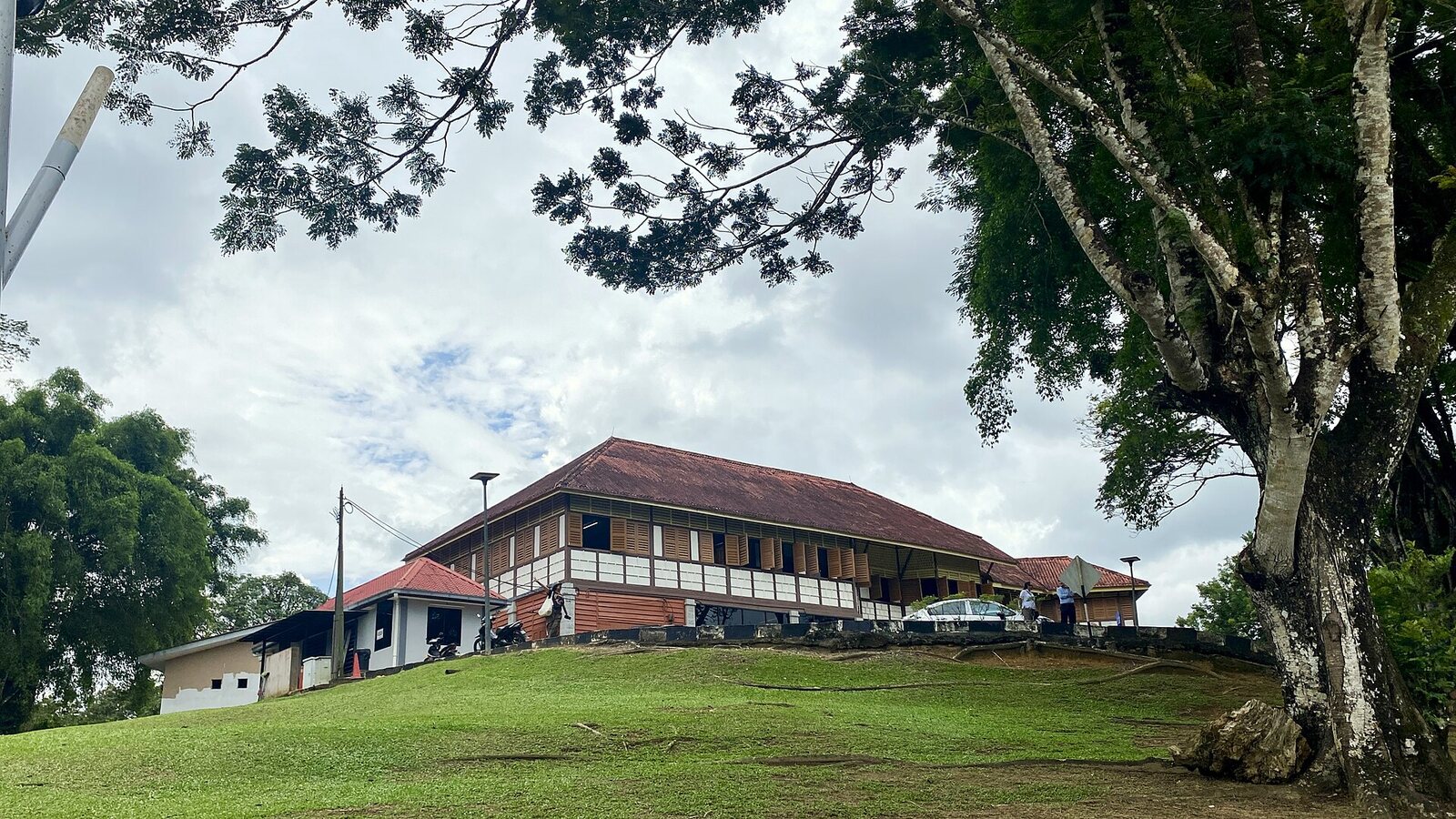
Sungai Lembing Museum
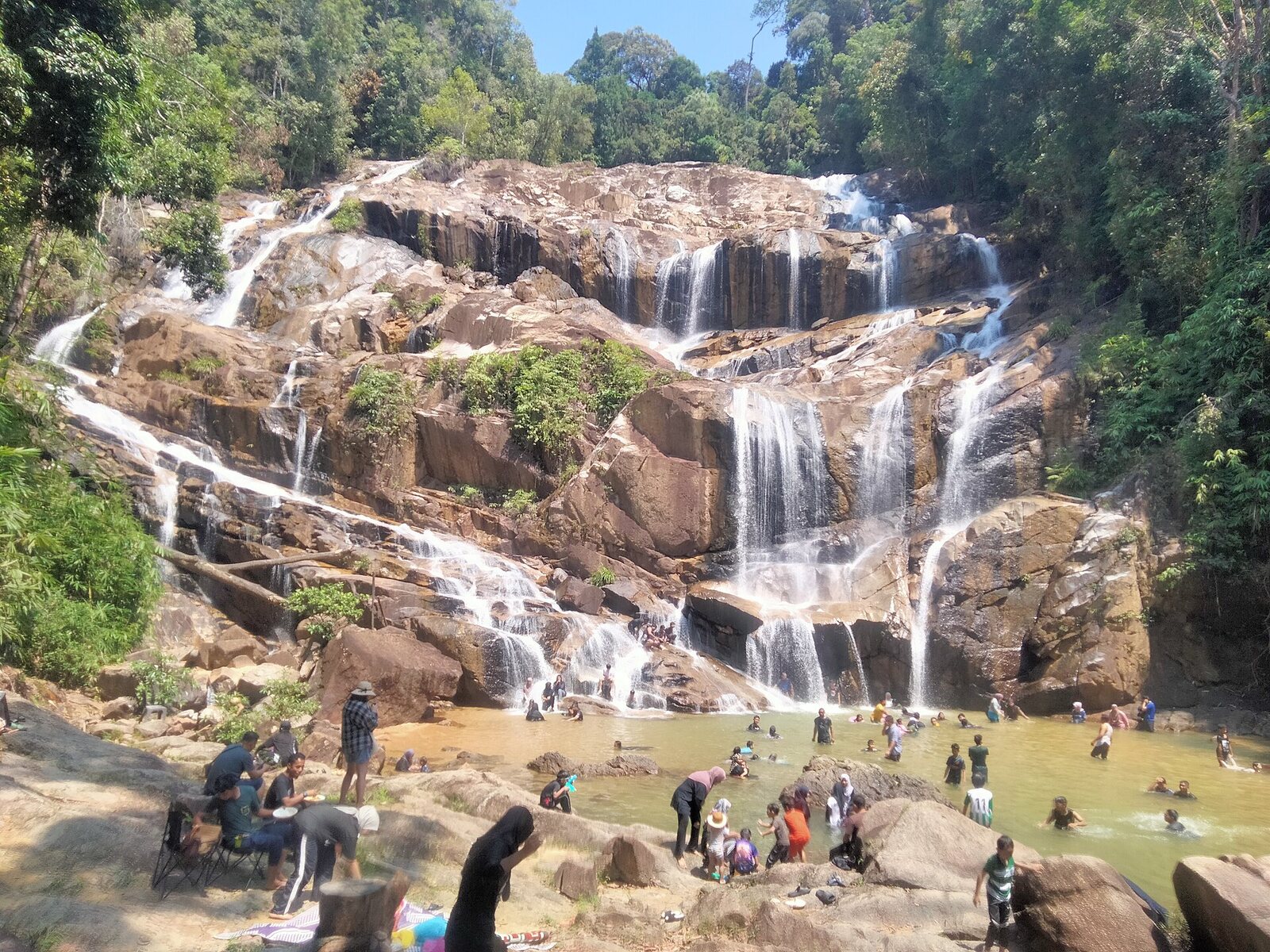
Sungai Pandan Waterfall
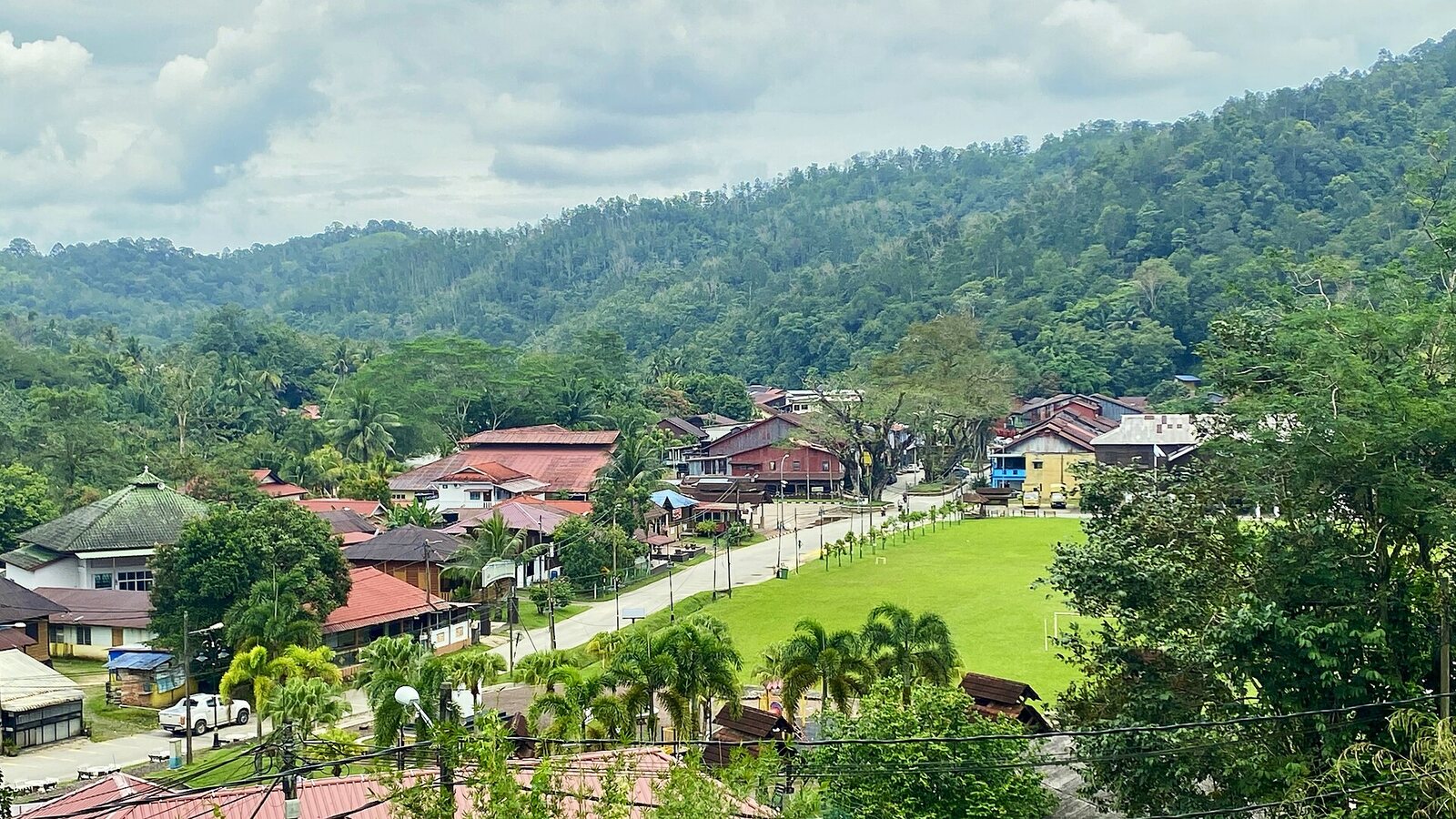
Sungai Lembing Town
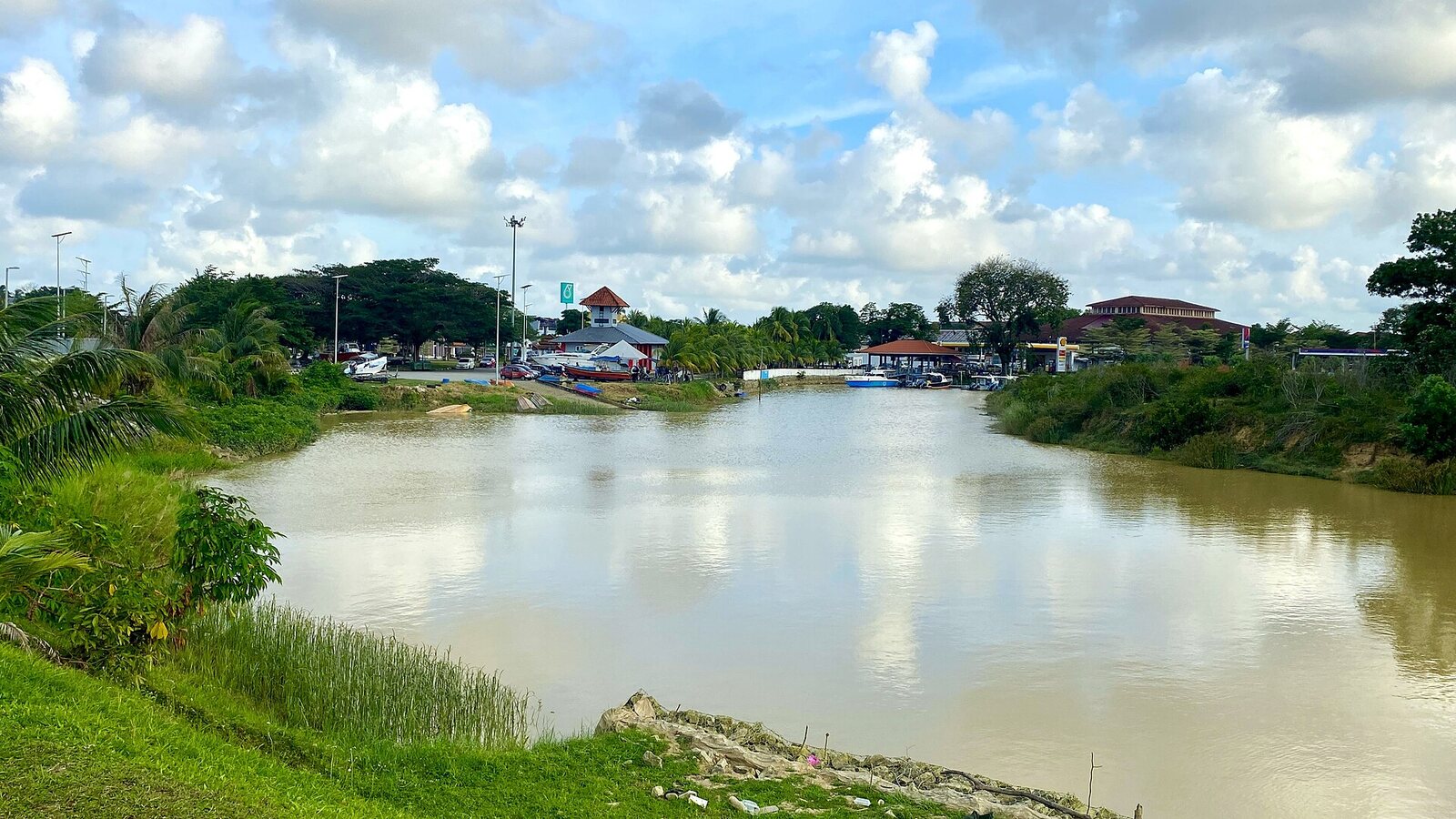
Pekan Riverfront
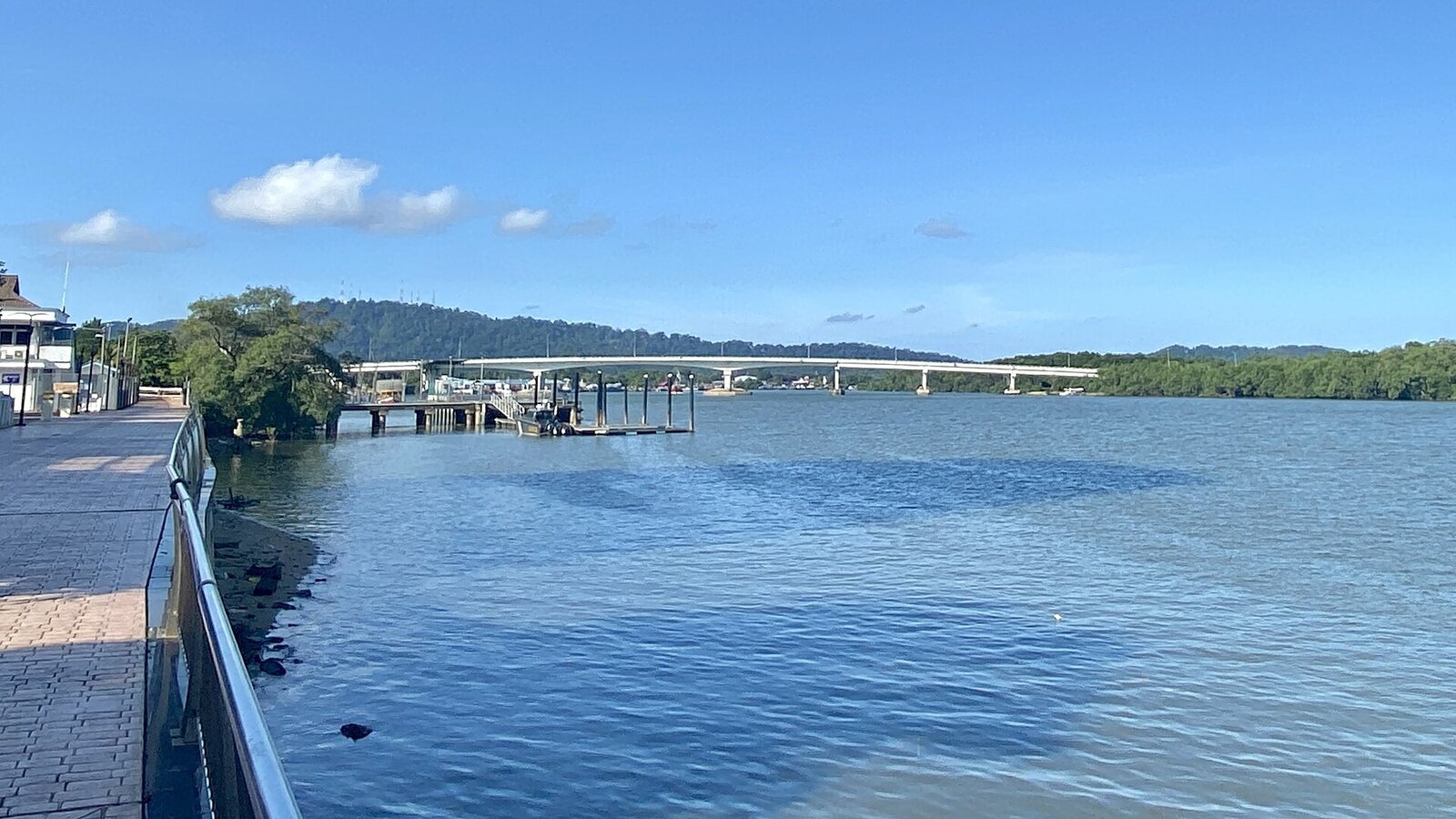
Tanjung Lumpur Bridge
Ready to Study in Malaysia?
See the programmes offered to international students, check the admission requirements, then apply with the online application form. If you have a question about life in Malaysia or Kuantan, contact the International Centre.
